My Journey to an Ulcerative Colitis Diagnosis: Symptoms, Delays, and Learning to Advocate for Myself
Before the Diagnosis: When My Body Was Speaking and No One Was Listening
Before I was diagnosed, my body was trying to tell me something and no one was listening. I remember being an adolescent, sitting in my primary care doctor's office, trying my best to explain what I was experiencing, even though I didn't fully understand it myself. I already felt embarrassed, but I knew something wasn't right. I tried to explain that my bowel movements didn't feel normal. I had mild abdominal pain, and there were times I could go days without having a bowel movement at all. And when I did, my stool didn't look normal.
This was an incredibly uncomfortable and vulnerable conversation, especially having to explain all of this with my mother sitting in the room.
After sharing my symptoms, I was told to take Milk of Magnesia and to come back if things didn't improve. When you go down this road once… and then again… you start to feel dismissed. You begin to feel like you're not being heard or taken seriously.
Over time, I started to tell myself that maybe this was normal. Maybe I was just sensitive to certain foods. I began second guessing my own body and that's something that can happen when your concerns are repeatedly minimized.
Looking back now, I understand how common this experience is for people living with inflammatory bowel disease (IBD). But at the time, I felt alone, confused, and unsure of whether I could trust what my body was telling me.
I'm sharing this part of my story in hopes that someone reading this feels seen, validated, and reminded of something important: your symptoms matter.
“Of all the forms of inequality, injustice in health care is the most shocking and inhumane.”
Life Before Diagnosis: The Symptoms I Couldn’t Ignore
As I got older, the symptoms became harder to ignore.
I began experiencing frequent diarrhea. There were times when I noticed mucus or blood in my stool, which was alarming even if I didn't fully understand what it meant at the time. I also dealt with stomach pain and cramping that felt very different from anything I had experienced before. This wasn't typical menstrual cramping. The pain was harsh and centered deep in my gut, almost as if someone were twisting my intestines. The cramps would be intense, often coming and going without warning.
Urgency became one of my biggest symptoms. I struggled with being able to hold my bowels, and it reached a point where I subconsciously started planning my life around bathroom access. Any time I left the house, I needed to know where the nearest restroom was. If I was going out with friends, I would avoid eating beforehand or skip eating altogether because I believed I just had a "sensitive stomach" and wanted to avoid a public bathroom emergency.
When I started my corporate career, that's when I truly began to realize that what I was experiencing wasn't normal. I was constantly away from my desk, not because I wasn't working, but because I was always in the restroom. Eventually, it became an unspoken understanding. If I wasn't at my desk, my coworkers knew exactly where I was. Kim must be in the restroom. It felt like the bathroom had become my second office.
Looking back, I can clearly see how my body was escalating its signals, trying harder and harder to get my attention. What stands out to me now is how long I lived in that space of uncertainty how long I lived with symptoms that had become so familiar they started to feel normal. This was simply how I navigated my day-to-day life as a wife, a mother, and a woman working in corporate America.
Even symptoms that once seemed unrelated began to make sense later. When I think back to my teenage years, I frequently dealt with mouth ulcers and never gave them much thought. I now know that inflammatory bowel disease doesn't always limit itself to the digestive tract. It can show up in other parts of the body too, something many people don't learn until much later in their journey.
At the time, though, I was doing what so many people do: adapting, pushing through, and normalizing discomfort. After being dismissed once or twice, you begin to feel frustrated when advocating for yourself. I tried to make sense of my symptoms on my own, without realizing they were pieces of a much larger picture. I didn't yet know that symptoms like these could point to something more serious.
What started as confusion in my younger years became something I carried with me well into my twenties.
When I Spoke Up and Still Wasn’t Heard — Until Everything Changed
I was tired of feeling confused, isolated, misunderstood, and unheard. I was tired of questioning myself. Was I exaggerating? Was this just something I had to live with? Was I that sensitive to food? That kind of self-doubt can be incredibly damaging, and it's something many people living with chronic illness experience when their concerns are repeatedly dismissed.
It wasn't until my symptoms became worse as an adult that someone finally took me seriously. I was referred to a gastroenterologist, a GI specialist who ordered a colonoscopy, a procedure that allows doctors to look inside the colon. That referral marked a turning point in my journey. That colonoscopy changed my life.
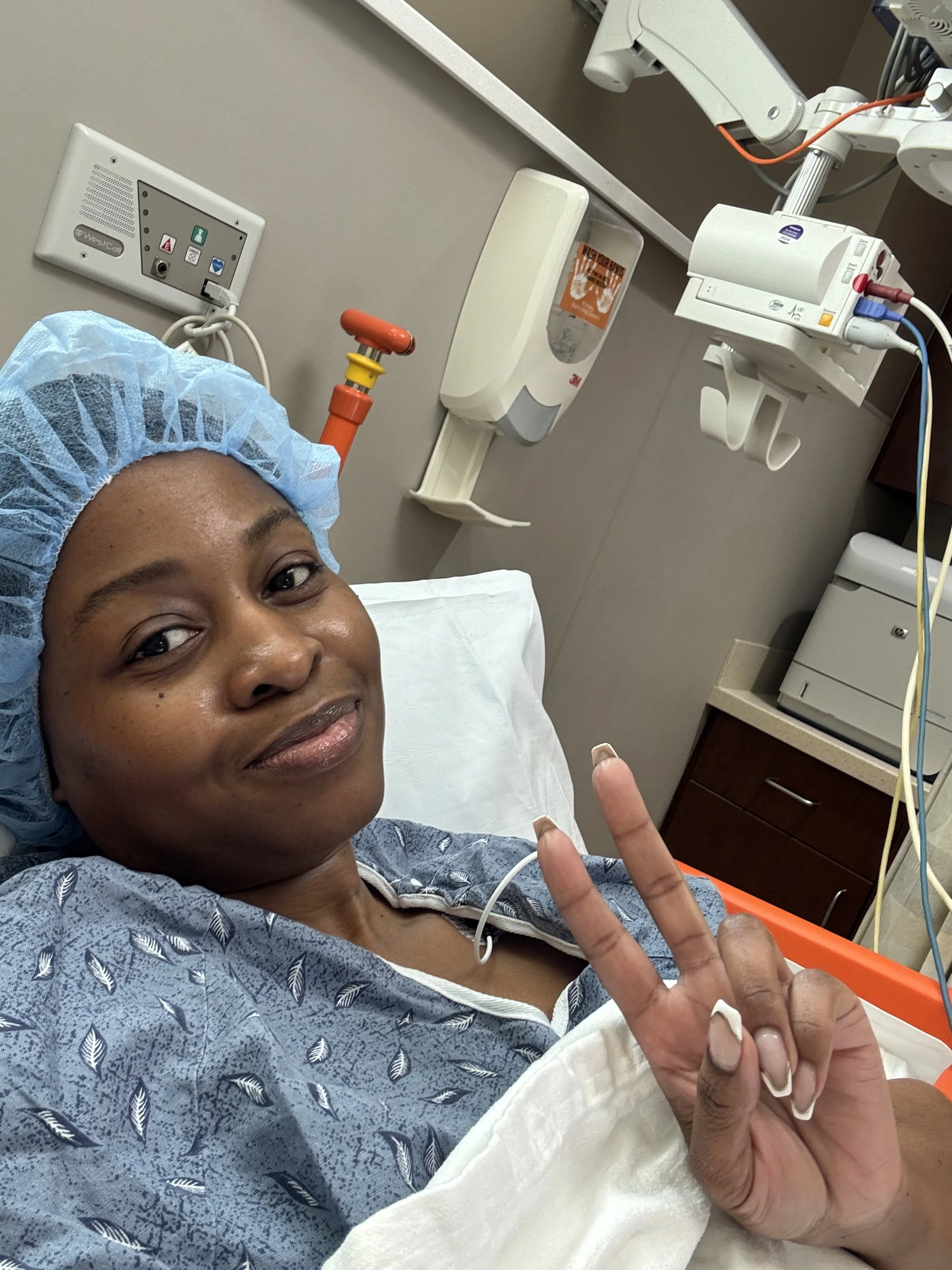
It led to my diagnosis of Ulcerative Colitis, a chronic inflammatory bowel disease that affects the inner lining of the large intestine. There is no cure, but there was finally an explanation, a name for what I had been experiencing for years. What once felt confusing and invisible finally made sense.
That moment didn't erase the years leading up to it, but it did validate them. And it marked the beginning of a new chapter, one rooted in answers instead of uncertainty.
Living With IBD and Using My Voice
My name is Kimberly M. Hooks, and I live with inflammatory bowel disease (IBD).
Receiving my diagnosis didn’t instantly make life easier, but it did give me something I hadn’t had before: understanding. It gave language to years of symptoms, confusion, and self-doubt. It also forced me to slow down and truly listen to my body, something I hadn’t known how to do before.
Living with IBD has changed the way I move through the world. It has required me to become more intentional, more patient, and more honest with myself and with others. There are good days and hard days, and sometimes the hardest part isn’t the physical symptoms, but navigating a world that doesn’t always see or understand invisible illness.
Over time, I realized that my story didn’t just belong to me. I began sharing my experience because I knew there were others quietly navigating similar symptoms, asking the same questions, and feeling just as alone as I once did. I don’t share my story because I have all the answers, I share it because I understand the journey.
This space, and this blog, exist so that others know they’re not alone. It’s a place rooted in lived experience, honesty, and the belief that everyone deserves to feel seen and supported in their healthcare journey.
What I’ve Learned About Advocating for Yourself
I want to be clear: I'm not a medical professional. Everything I'm sharing here comes from my lived experience, from years of navigating symptoms, appointments, uncertainty, and eventually answers.
If there's one thing this journey has taught me, it's that learning how to advocate for yourself is just as important as receiving a diagnosis.
Here are a few things I wish I had known earlier:
Trust your body.
If something feels off, it probably is. You are the one living in your body every day, and that perspective matters. Don't ignore persistent symptoms just because they've become familiar.
Ask questions and don't be afraid to ask again.
It's okay to ask for clarification. It's okay to say, "I don't understand," or "This doesn't feel resolved." You deserve clear communication about your health.
Keep track of what you're experiencing.
Even simple notes about symptoms, patterns, or how certain foods make you feel can help you better explain what's going on. It can also help you feel more confident when speaking with your healthcare providers.
Advocate for referrals when needed.
If symptoms persist and you're not getting answers, asking to see a specialist can be an important step. For me, seeing a gastroenterologist was the turning point!
Find trusted resources and community.
Living with chronic illness can feel isolating, especially before a diagnosis. Access to reliable information and support can make a huge difference emotionally and mentally.
Advocacy doesn't always come naturally, especially when you've been dismissed before. It's something you learn over time, often through trial and error. Give yourself grace as you navigate it.
Resources & Support: Why I’m Partnering With NOWINCLUDED

One of the hardest parts of my journey, especially before my diagnosis, was not knowing where to turn for reliable information or support. When you're living with symptoms and searching for answers, access to the right resources can make all the difference.
That's why I'm proud to partner with NOWINCLUDED.
Now Included is helping break the silence in healthcare by creating space for patient voices, especially voices from underrepresented communities that have historically been overlooked or dismissed. Their focus on access, education, and support aligns deeply with my own lived experience and why I continue to share my story.
If you're navigating symptoms, newly diagnosed, or still searching for clarity, their Ulcerative Colitis Hub offers educational resources designed to help patients feel informed, empowered, and less alone.
I encourage you to visit the NOWINCLUDED Ulcerative Colitis Hub to learn more.
To Anyone Still Searching for Answers
If you've seen yourself in any part of my story, I want you to know this: you are not alone.
Your symptoms are real. Your concerns deserve to be taken seriously. And you have every right to advocate for your health even when it feels uncomfortable or exhausting.
This journey isn't easy, but you don't have to walk it alone. My hope is that by sharing my story, this space can be a reminder that your voice matters.
Disclosures
This blog post was created in partnership with NOWINCLUDED.
This content reflects my personal experience and is not intended to replace medical advice. Please consult a healthcare professional for diagnosis or treatment decisions.
In Good Health,
Kimberly M.Hooks
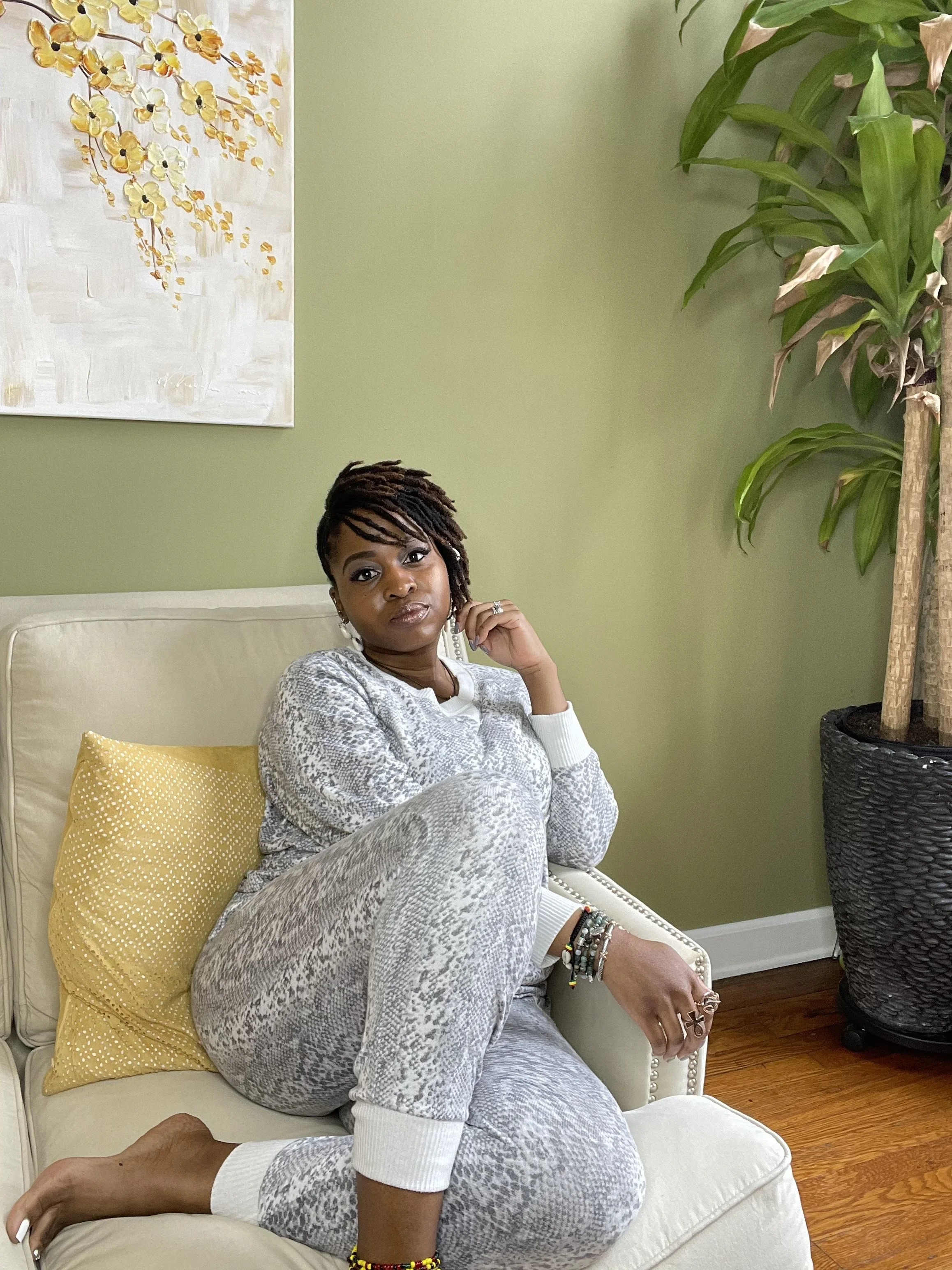
Kimberly M. Hooks — sharing her journey to diagnosis and life with IBD.