Your Voice Matters: The Importance of Self-Advocacy in Ulcerative Colitis
There is something no one really prepares you for when you're diagnosed with a chronic illness like ulcerative colitis. It's not just the symptoms. It's not just the treatments. It's not even the lifestyle changes.
It's the realization that you are now responsible for navigating a system, a condition, and a set of decisions that will directly impact your quality of life, often for years to come, and in the middle of all of that, you have to find your voice.
When I was first navigating life with ulcerative colitis, I did what many patients do. I listened, I followed instructions, and I trusted the process.
I believed that if I did everything I was supposed to do, things would eventually get better. But over time, my body began to tell a different story. The treatments weren't working the way we had hoped.
It was no longer just about trying the next medication or adjusting treatment plans. It became a deeper conversation about what long-term healing and quality of life could actually look like for me.
That's when I was introduced to the idea of a total proctocolectomy.

The Beginning of My Advocacy Journey
Kimberly M. Hooks in 2020, confidently showing her ostomy bag after surgery for ulcerative colitis.
For those who may not be familiar, a total proctocolectomy is a surgery that involves removing the colon and rectum. It is often considered for patients with ulcerative colitis when the disease is severe, not responding to treatment, or significantly impacting quality of life. While it can sound overwhelming—and it is—it is also, for many patients, a path to relief and a new way of living.
Preparing for Surgery wasn't just physical; it was mental and emotional.
I had to understand what my life could look like afterward, what adjustments I would need to make, and what recovery would require from me. There is also a level of preparation that comes with trusting your medical team, asking the right questions, and making sure you fully understand your options.
In May 2020, my life changed. I underwent Surgery and received an ostomy, a surgical opening created to allow waste to leave the body into an external pouch after the colon is removed.
Learning My New Body
What people don't always talk about is what happens after the surgery. While the procedure itself is one part of the journey, learning to live in your body afterward is another. For me, my surgical journey followed a three-step process, which is common for many patients with ulcerative colitis.
The initial surgery, where the colon is removed and an ostomy is created
A second surgery to begin the process of internal reconstruction
A final surgery to complete the transition (for those moving toward a j-pouch)
Each step came with its own challenges, and in between, I had to learn an entirely new way of living. I had to learn how to care for my ostomy. How to change the bag. How to manage my day-to-day life in a body that felt unfamiliar.
It's not something you can fully prepare for, no matter how much you're told beforehand. There's a mix of emotions that come with it. There were moments when I questioned everything. There were times when I felt like I had failed, as my body had failed me.
And that's something I think more people need to hear because those feelings are real, and they're valid. Major surgery doesn't just impact your physical health, it also impacts your mental health.
However, I also learned how strong and resilient I am. I learned that I am stronger than I think. This surgery was my turning point in life; it was when I finally found my purpose...ADVOCACY.
My ostomy gave me a second chance at life.
My ostomy gave me a second chance at life. It gave me a chance to live without constant suffering. A chance to show up more fully for myself.
A chance to be present for my family in a way I hadn't been able to before. That shift in perspective changed everything. Looking back now, I can clearly see that this chapter of my life was about so much more than surgery. It was about navigating a chronic illness. Learning how to move through the healthcare system.
And truly understanding what it means to advocate for yourself.
What I went through… was bigger than me. I didn't go through this experience just to keep it to myself.
There are so many people out there navigating similar journeys—feeling confused, overwhelmed, and alone. And I knew I had a voice. Not just to tell my story, but to use it. To educate. To connect. And to support others in ways I wish I had when I was going through it.
That's when I found my passion for advocacy.
And one thing I know for sure now—
There is power in using your voice.
From Patient to Advocate: Using My Voice for Change
What started as hospital visits, doctor appointments, and trying to manage my condition turned into something I never expected. Advocacy.
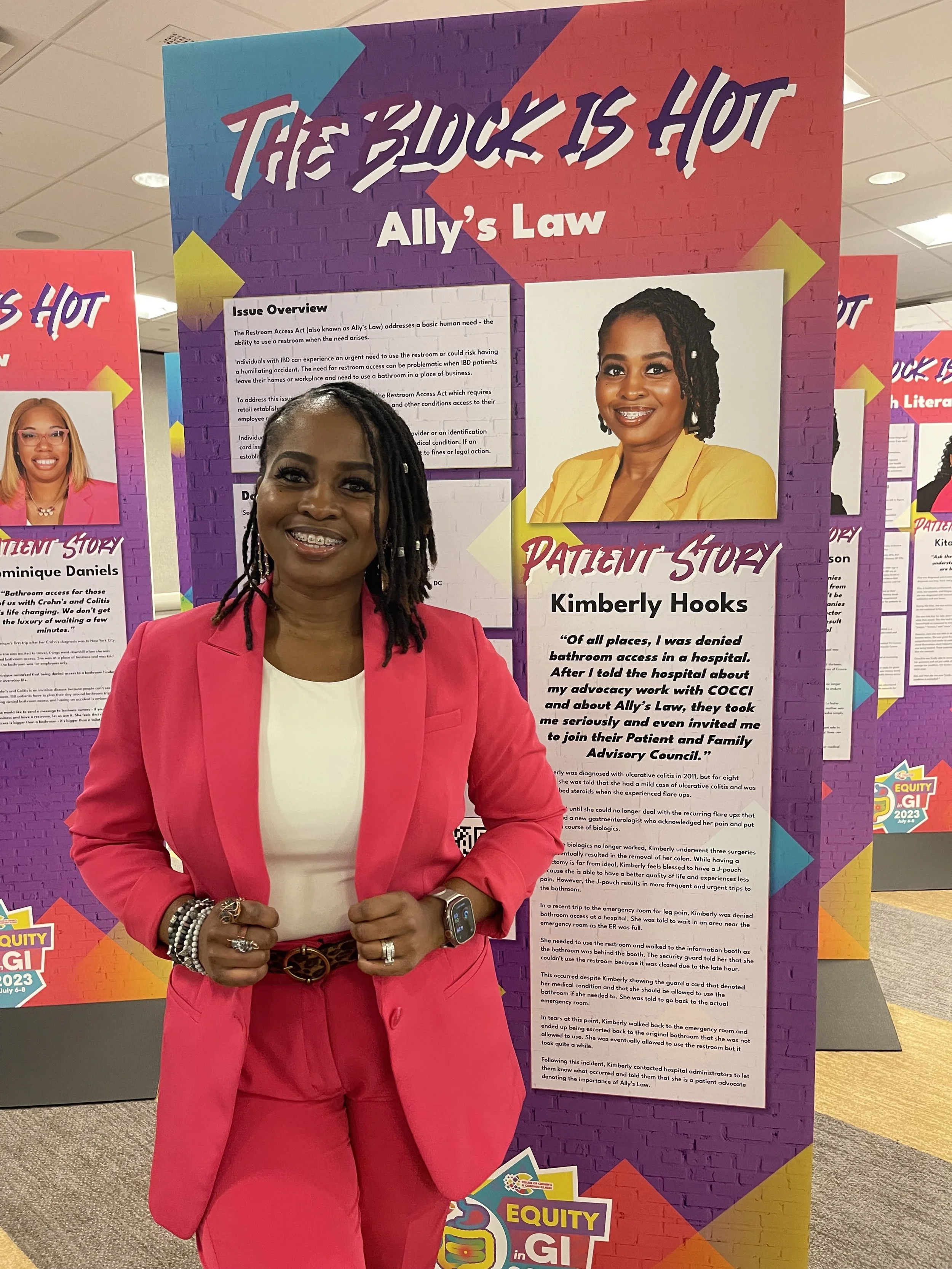
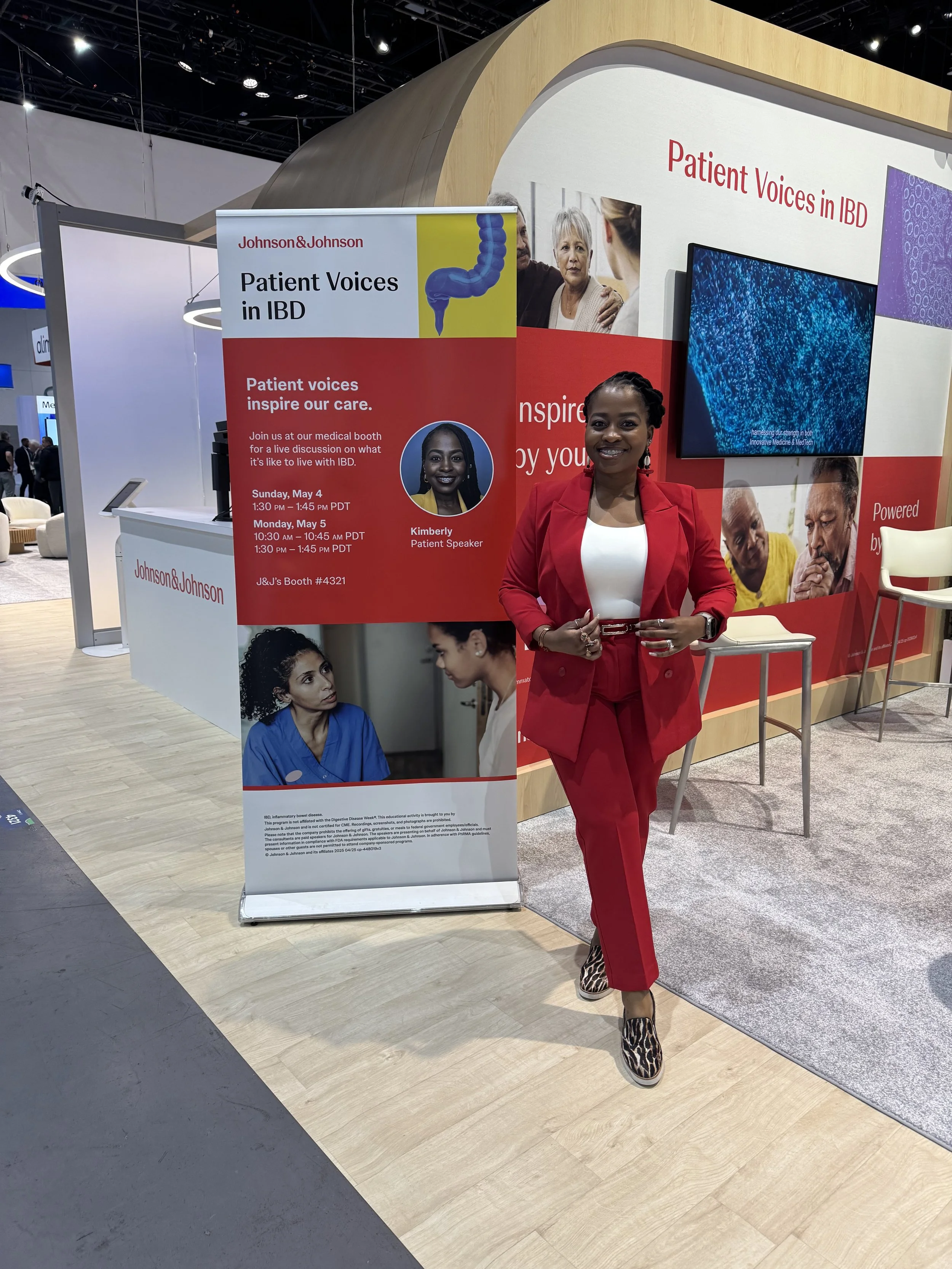
I went from sitting in exam rooms, trying to understand what was happening in my body, to standing in rooms where decisions are being made about patients like me. From navigating my own care to walking the halls of Capitol Hill. From trying to find answers to becoming a voice for others who are still searching.
I've had the opportunity to advocate at the national level, meeting with lawmakers, sharing my story, and speaking on the realities of living with inflammatory bowel disease.
I've spoken about the need for:
Better access to care
More affordable treatment options
Reducing barriers like step therapy and prior authorizations
Increased funding for research in digestive diseases
Because these policies aren't just talking points—they directly impact how patients live, how they access care, and how they move through their daily lives.
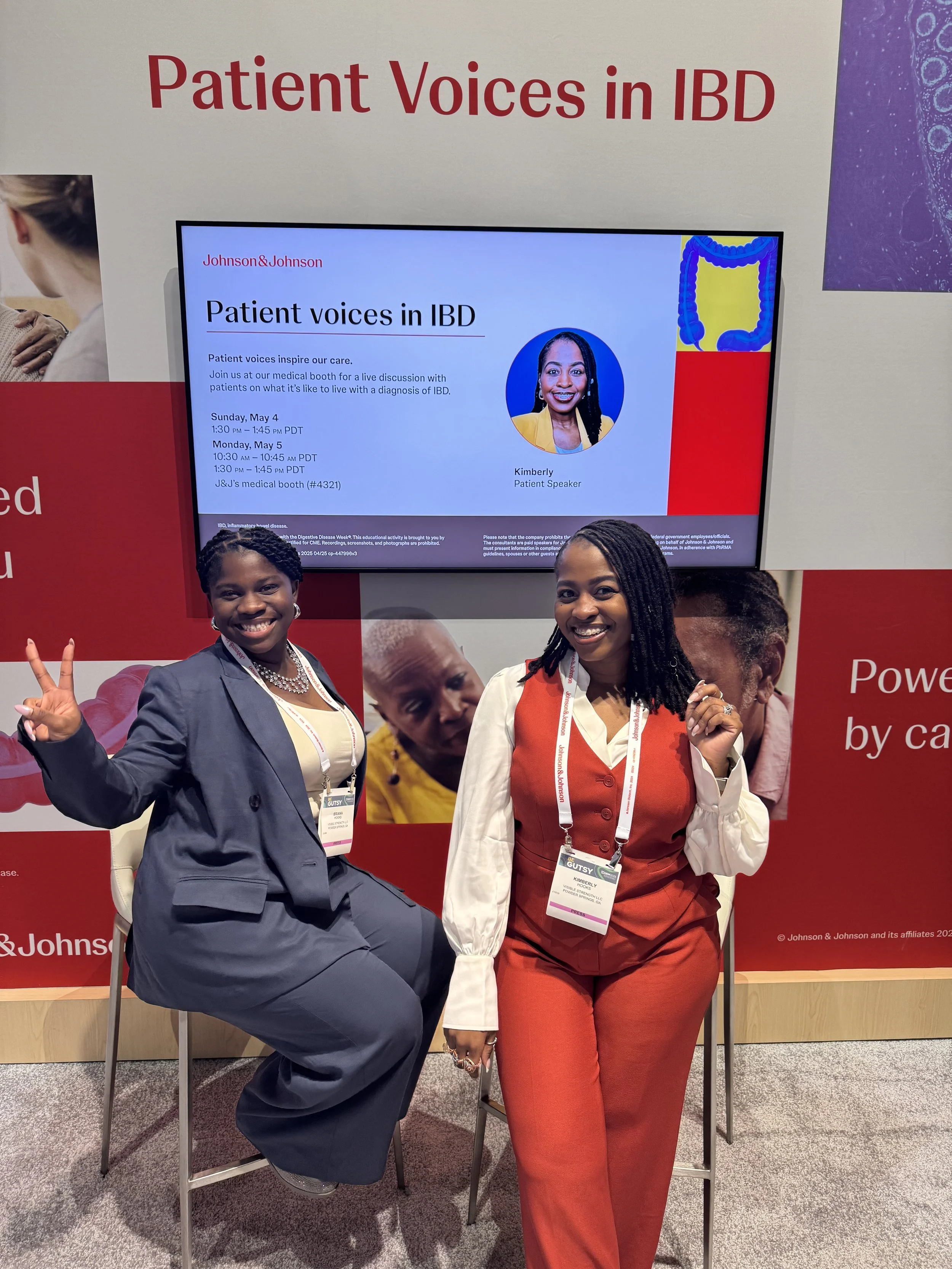
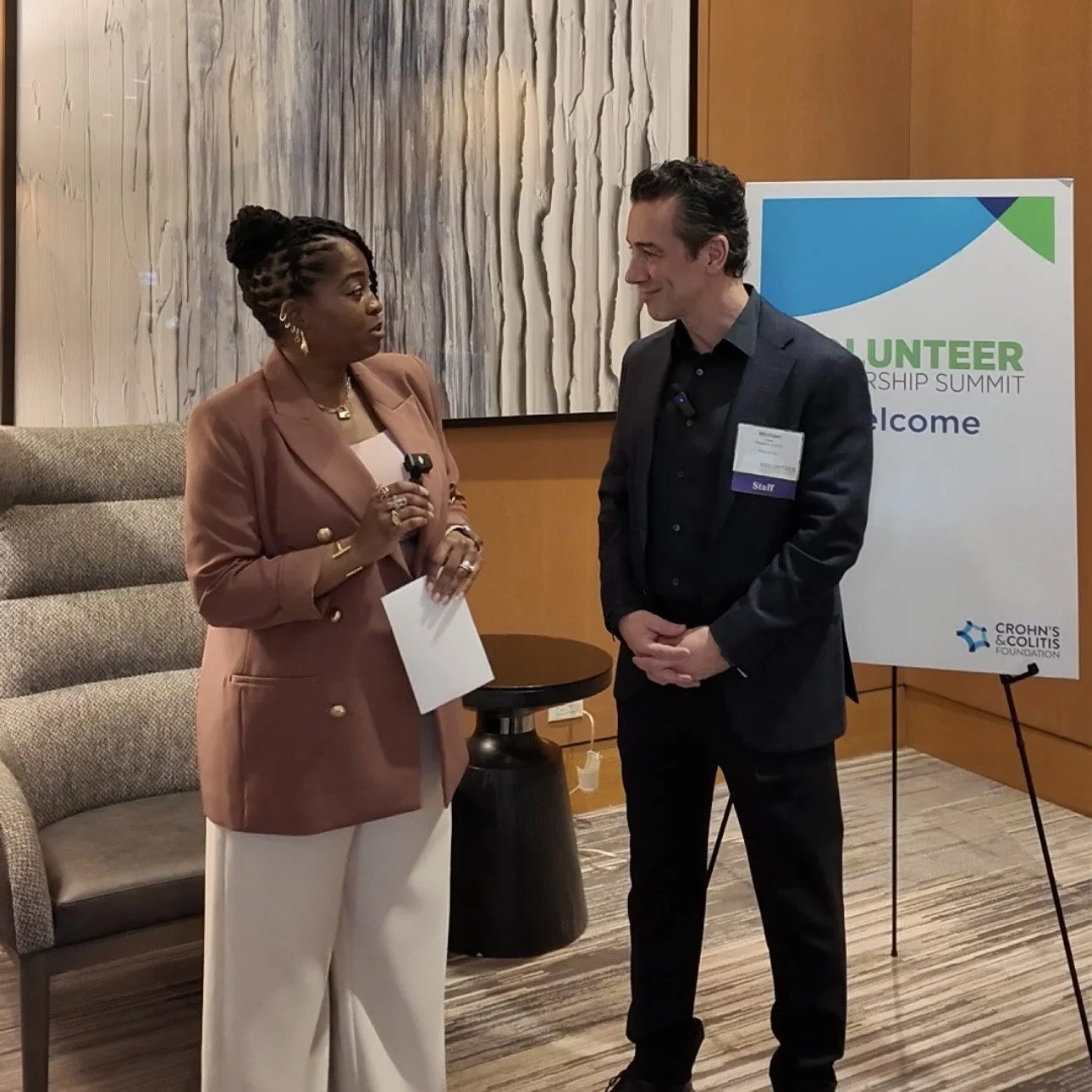
I've also had the honor of speaking at conferences like Digestive Disease Week (DDW), and serving as a patient reporter for the Crohn's & Colitis Foundation Volunteer Leadership Summit.
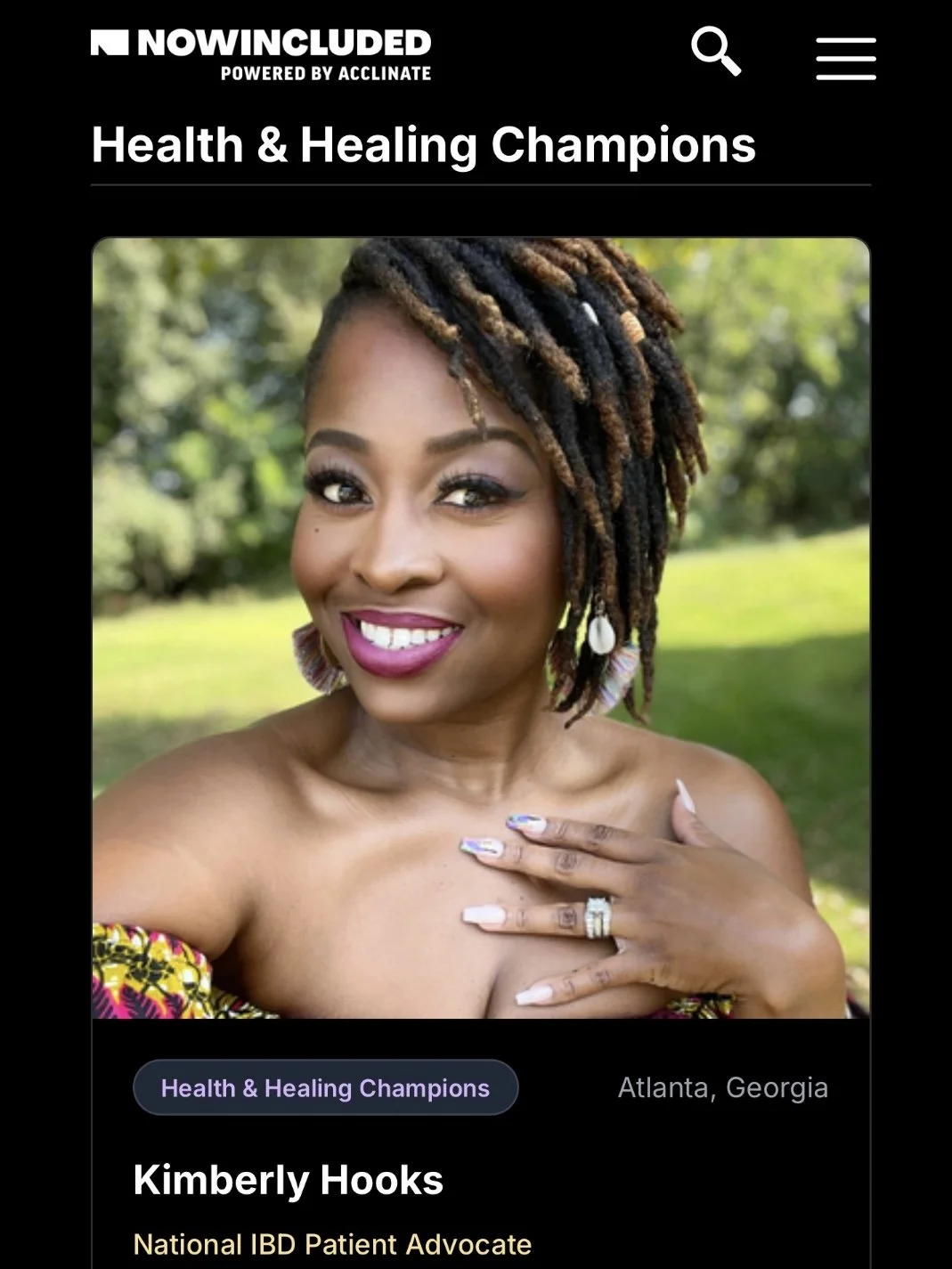
And recently, being recognized by NOWINCLUDED as a Health & Healing Championmeant so much to me because it reflects something deeper than recognition. It reflects purpose, but I want to be clear about something: advocacy doesn't have to start on a stage, on Capitol Hill, or with a title.
Advocacy starts with you.



What Advocacy Can Look Like for You
Advocating for yourself and for others can take many forms. It can look like:
Asking more questions at your doctor's appointment
Seeking a second opinion when something doesn't feel right
Learning about your condition so you can make informed decisions
Speaking openly about your experience to help someone else feel less alone
And if you feel called to go beyond that, there are so many ways to get involved.
Ways You Can Advocate Today
If you're wondering where to start, here are a few ways you can begin using your voice:
Connect with Your Representatives
Your story matters, and it has power, especially when it comes to shaping policy. One of the most impactful ways to advocate is by connecting directly with your elected officials and sharing how healthcare policies affect your real life. Legislators need to hear from the very people these decisions impact.

Advocacy in Action
What started as a personal health journey grew into a passion for using my voice to create change.
You can start by:
Contacting your local representatives through websites like Congress.gov, House.gov, or Senate.gov
Sharing your personal experience living with ulcerative colitis or chronic illness
Speaking up for legislation that improves access to care, affordability of treatment, and funding for research
It may feel small, but even one email, one phone call, or one shared story can make a real difference.
2. Get Involved with Advocacy Organizations
Another powerful way to get started is by connecting with organizations that are already creating space for patients to learn, speak up, and get involved.
Organizations like the Crohn's & Colitis Foundation, Color of Gastrointestinal Illnesses (COGI), and NOWINCLUDEDprovide opportunities for patients to turn their lived experiences into impact.
Through organizations like these, you may be able to:
Participate in Advocacy Days, including opportunities to speak with lawmakers on Capitol Hill
Join patient ambassador and storytelling programs
Stay informed on current legislation, healthcare issues, and advocacy initiatives
Attend educational events, conferences, and community conversations
Connect with other patients who understand what it means to navigate chronic illness
These spaces can be incredibly powerful because they remind you that your story matters and that when patients come together, our voices become even stronger.
3. Use Your Voice Online
Advocacy can also happen right where you are. In today's world, using your voice online is one of the most accessible and impactful ways to raise awareness. Whether it's through social media, blogging, sharing resources, or simply sharing your experience, your voice can help educate and empower others.
Using your voice online can:
Educate others about what life with IBD really looks like
Build community and connection with people who understand
Normalize conversations around chronic illness, surgery, ostomies, mental health, and self-advocacy
You never know who may be silently searching for the exact words you're brave enough to share.
4. Start Small and Stay Consistent
One of the biggest misconceptions about advocacy is that it has to be loud and public. It doesn't.
Advocacy can start with something as simple as:
Learning one new thing about your condition
Asking one more question at your next appointment
Speaking up when something doesn't feel right
Sharing one post, one story, or one resource with someone else
Small steps matter, and over time, they build confidence, create momentum, and remind you that your voice has value.
Advocacy is not always about doing the biggest thing; sometimes, it's simply about choosing not to stay silent.
Helpful Advocacy Resources
If you’re ready to take the next step in your advocacy journey, here are a few helpful resources to get started:
House.gov – Find your U.S. House Representative
Senate.gov – Find your U.S. Senators
Congress.gov – Track bills and learn more about current legislation
You do not have to be a policy expert to advocate. Your lived experience matters. Your story matters. And your voice deserves to be heard.
If there's one thing I hope you take away from my journey, it's this:
Advocacy doesn't always begin in big, visible moments. Sometimes it begins quietly, in a doctor's office.
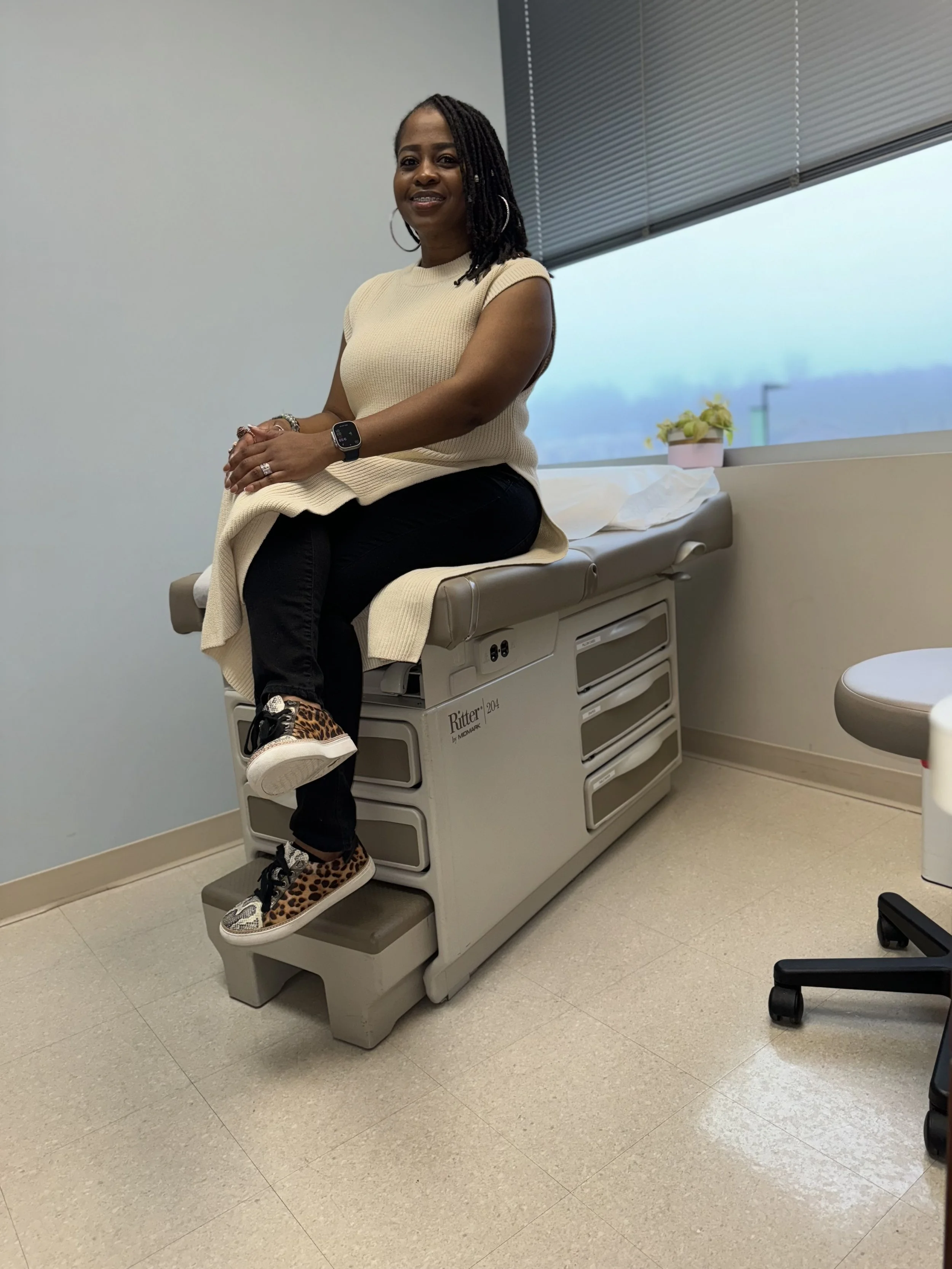
Where Advocacy Begins
Sometimes the strongest form of advocacy is simply choosing to speak up for yourself.
In the moment you decide to ask one more question, seek one more opinion, or say, "This doesn't feel right."
For me, advocacy was born out of some of the hardest moments of my life, but it also became one of the most meaningful parts of my healing.
What started as a deeply personal journey through ulcerative colitis, surgery, and learning my new body grew into something much bigger than me.
It became a purpose, my passion, and it became a reminder that our voices truly matter.
If my story can do anything, I hope it reminds you that your voice matters too.
In Good Health,
Kimberly M. Hooks